RockValues

Tanzanite value and identification

Tanzanite is transparent blue to violet zoisite colored by vanadium, found only in the Merelani Hills of Tanzania.

A variety of zoisite. Prices checked .
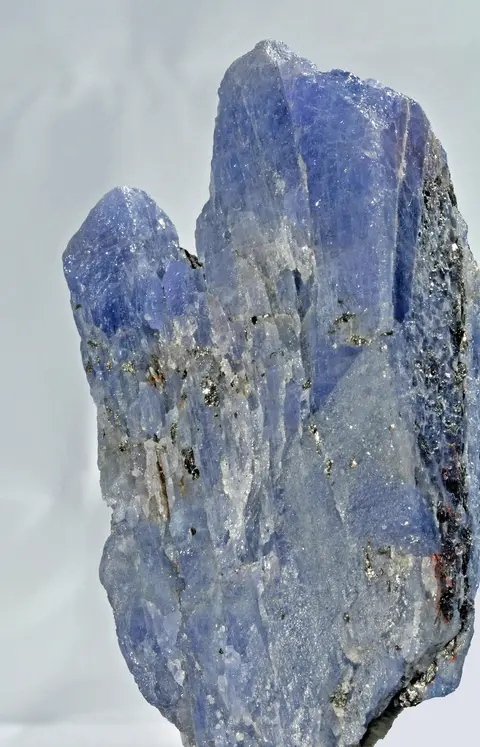
Tanzanite: Tanzanite (Tanzanie) 4
Tanzanite (Tanzanie) 4. Photo: Parent Géry, CC BY-SA 3.0, via Wikimedia Commons.
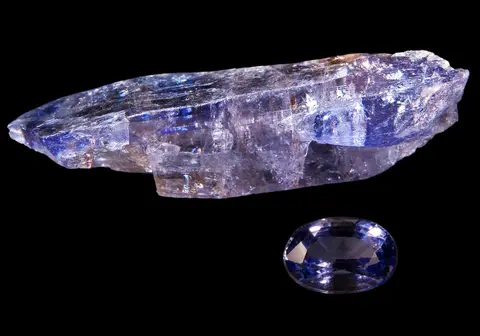
Tanzanite: Tanzanite
Tanzanite . Photo: Parent Géry, CC BY-SA 3.0, via Wikimedia Commons.
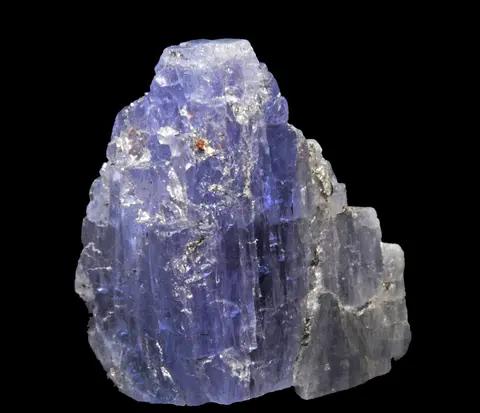
Tanzanite: Zoïsite (Tanzanite)
Zoïsite (Tanzanite). Photo: Didier Descouens, CC BY 3.0, via Wikimedia Commons.
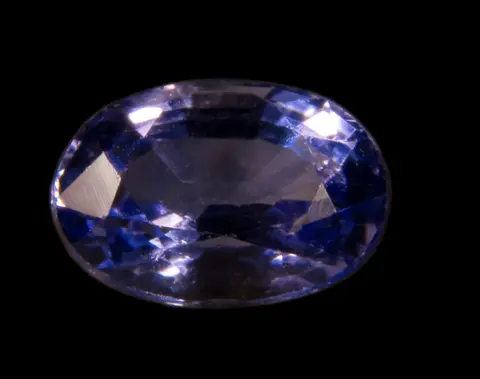
Tanzanite: Tanzanite taillée
Tanzanite taillée. Photo: Didier Descouens, CC BY 3.0, via Wikimedia Commons.

What tanzanite is worth

Not enough data. We have not yet seen 5 or more current dealer listings for tanzanite in any one form, so we show no range rather than guess.

Show 6 of the listings behind these numbers
Sample dealer listings for Tanzanite
ListingSizeLocalityAskingSeen
.59" Brilliant Blue-Violet Tanzanite Crystal -Merelani Hills, Tanzania
FossilEra
Tanzania$39
.56" Brilliant Blue-Violet Tanzanite Crystal -Merelani Hills, Tanzania
FossilEra
Tanzania$39
.92" Brilliant Multi-Colored Tanzanite Crystal - Tanzania
FossilEra
Tanzania$145
.74" Brilliant Blue-Violet Tanzanite Crystal -Merelani Hills, Tanzania
FossilEra
Tanzania$195
Zoisite var. Tanzanite (8.60 ct)
iRocks (The Arkenstone)
8.6 ctMerelani Hills, Lelatema Mtns., Simanjiro Dist., Manyara Region, Tanzania$5,000
Zoisite var. Tanzanite (9.56 ct)
iRocks (The Arkenstone)
9.56 ctMerelani Hills, Lelatema Mtns., Simanjiro Dist,, Manyara Region, Tanzania$7,800

These are dealer asking prices: what shops list tanzanite for, not what it sells for and not an appraisal. Selling to a dealer usually brings well below retail, because the dealer has to resell it at a margin.

How to identify tanzanite

It is the gem variety of zoisite; nearly all of it is heated to remove brownish tones, leaving the blue and violet colors seen in jewelry. See zoisite value for the species as a whole.

  • Blue to violet color that shifts between the two as you rotate the stone
  • Single, crisp facet edges with no doubling under a loupe
  • Usually eye clean
  • Hardness 6 to 7, so older stones often show worn or chipped facet edges

Other zoisite varieties

Where tanzanite comes from

Merelani Hills, Manyara Region, Tanzania
Sole commercial source, mined by both large and small scale operations.

Tanzanite lookalikes

Blue sapphire

Sapphire is much harder and heavier and lacks tanzanite's blue to violet shift.

  • Sapphire SG about 4.0 and RI 1.76
  • Sapphire hardness 9

sapphire vs tanzanite

Amethyst

Amethyst is purple with uneven color zoning and lighter in hand (SG 2.65).

  • Amethyst RI 1.54 to 1.55
  • Weak pleochroism

tanzanite vs amethyst

Iolite

Iolite turns grey to straw yellow from one direction and is much lighter.

  • SG about 2.6

Alexandrite

Alexandrite changes from green in daylight to red purple under incandescent light; tanzanite stays blue violet.

  • Alexandrite hardness 8.5, SG 3.7

tanzanite vs alexandrite

Blue zircon

Zircon shows strong facet doubling and more fire.

  • Zircon SG about 4.7

Also mistaken for tanzanite: tourmaline, indicolite tourmaline, zircon, blue spinel, corundum, blue kyanite, benitoite, cordierite, sapphirine.

Fake, dyed and treated tanzanite

  • Synthetic forsterite

    Common

    • Strong doubled back facets
    • Weaker color shift
  • Glass

    Common

    • Bubbles
    • No pleochroism
    • Lighter weight
  • Cubic zirconia and synthetic spinel or corundum in tanzanite color

    Occasional

    • CZ shows strong rainbow fire and is very heavy
    • No color shift when rotated
  • Coated pale tanzanite or zoisite

    Rare

    • Coating worn at facet junctions
    • Surface sheen

Is my tanzanite real? Tests you can do at home

  1. Rotate for pleochroism

    View the stone through the top, then through the side under daylight.

    Real
    Shifts between blue and violet.
    Fake or lookalike
    Glass and CZ stay one color.
  2. Facet doubling

    Look through the table at the pavilion facet edges with a 10x loupe.

    Real
    Edges are single.
    Fake or lookalike
    Synthetic forsterite and zircon show doubled edges.
  3. Specific gravity

    Weigh a loose stone in air and suspended in water on a kitchen scale, then divide weight in air by the loss of weight in water.

    Real
    Close to 3.35.
    Fake or lookalike
    Glass about 2.5, CZ about 5.7, sapphire about 4.0.

A stone that passes these tests is consistent with natural tanzanite, not proven. For valuable pieces, a gem lab report settles treatment and origin.

Treatments

Heating (almost always)
Standard treatment that produces the blue violet color; does not lower value because it is universal. Usually undetectable.
Coating (rare)
Improves color in pale stones; coated stones are worth far less. Lab testing and visible wear.

What moves the price of tanzanite

  1. Color. Deep, saturated violet blue is the top grade; light lavender sells for much less.
  2. Carat weight. Larger stones show more saturated color and command higher prices per carat.
  3. Clarity. Eye clean is expected; inclusions lower value considerably.
  4. Cut. Good proportions and orientation to show both blue and violet.
  5. Condition. Chipped or abraded facets from wear reduce value and need recutting.

Care and safety

Avoid ultrasonic and steam cleaning and sudden heat. Choose protective settings for rings worn daily.

Questions collectors ask about tanzanite

How to tell if it's real tanzanite?
Turn the stone and watch the color: real tanzanite shifts between blue and violet, while glass and cubic zirconia stay the same. Under a loupe, synthetic forsterite shows doubled back facet edges that tanzanite does not; a lab report settles doubtful cases.
Is tanzanite worth it?
Tanzanite is a single source gem with strong blue violet color, but it is softer than sapphire and needs careful wear. Its value depends mainly on color saturation, size and clarity; see the price table above for current figures.
What is the rarest color of tanzanite?
The most saturated deep violet blue, especially in larger stones, is the rarest and most valued. Most tanzanite is lighter lavender to medium blue.
Sapphire vs tanzanite
Sapphire is corundum, much harder (9 against 6 to 7) and heavier, and better suited to daily wear. Tanzanite shows a blue to violet shift when rotated that sapphire does not.
Amethyst vs tanzanite
Amethyst is purple quartz, harder (7) and lighter, with weak pleochroism and often color zoning. Tanzanite is blue to violet zoisite and changes color strongly as it is turned.

Sources

Prices: 6 current listings from FossilEra, iRocks (The Arkenstone), seen 2026-11-20 to 2026-11-20. How we collect prices.