What zircon is worth
Not enough data. We have not yet seen 5 or more current dealer listings for zircon in any one form, so we show no range rather than guess.
Show 2 of the listings behind these numbers
These are dealer asking prices: what shops list zircon for, not what it sells for and not an appraisal. Selling to a dealer usually brings well below retail, because the dealer has to resell it at a margin.
How to identify zircon
- Strong doubling: looking through the table with a loupe, the back facet edges appear doubled.
- Bright adamantine to vitreous luster and strong fire (dispersion 0.039).
- Heavy for its size (SG up to about 4.7), noticeably heavier than quartz or topaz.
- Brittle facet edges: older stones often show chipped, worn edges called paper wear.
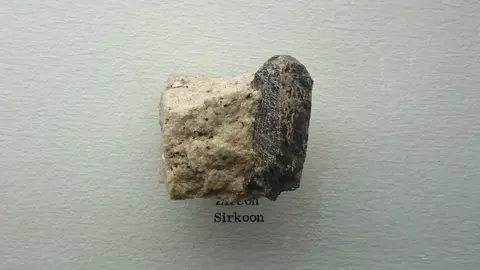
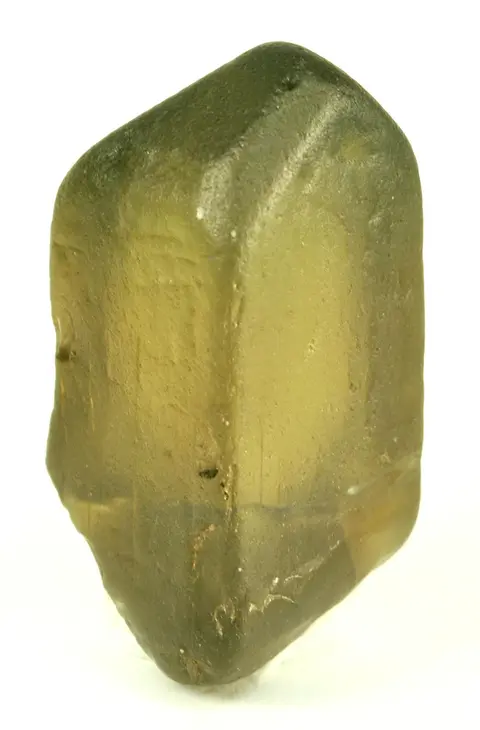
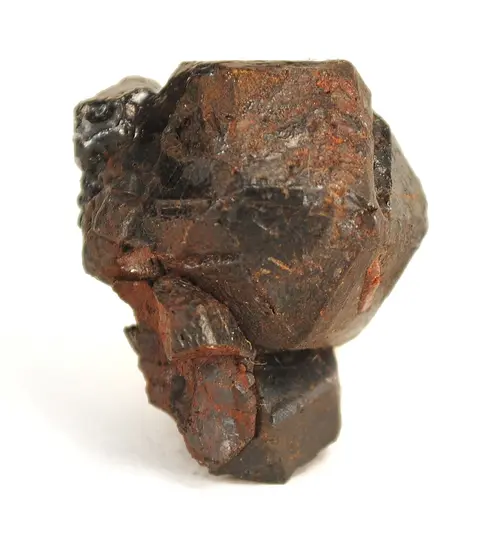
- Crystals are square tetragonal prisms capped by four-sided pyramids, often brown.
- Fails a thermal diamond tester.
Zircon varieties
Red zircon
Red zircon is natural red to reddish orange zircon, usually unheated, and among the scarcer zircon colors. Red zircon gets its color naturally and is less common than the heat-treated blue.
Cambodian zircon
Cambodian zircon comes from the Ratanakiri province of northeastern Cambodia, the main source of rough heated into blue and colorless zircon. A locality name; Cambodian blue zircon is the market benchmark for the color.
Where zircon comes from
- Ratanakiri, Cambodia
- Source of the brown rough that is heated to produce most blue and colorless zircon.
- Sri Lanka
- Gem gravels yield zircon in many colors, including green low zircon and colorless stones once sold as Matara diamond.
- Myanmar and Thailand
- Producers of gem zircon; Chanthaburi, Thailand is a major heating and cutting center.
- Tanzania
- Source of red, orange and golden zircon.
- Australia
- Harts Range in the Northern Territory and New South Wales produce brown, yellow and red zircon.
Zircon lookalikes
Diamond passes a thermal diamond tester and shows no doubling of facet edges.
- Diamond hardness 10 vs zircon up to 7.5
- Diamond SG 3.52
- Diamond is singly refractive
zircon vs diamond
Cubic zirconia
Cubic zirconia shows no facet doubling and is heavier still.
- Synthetic ZrO2, SG 5.6 to 6
- Hardness about 8 to 8.5
- Singly refractive
Moissanite
Moissanite also doubles facets but passes a thermal tester and is much lighter.
- Hardness 9.25
- SG about 3.22
- Even stronger fire
Topaz shows little fire and no visible facet doubling.
- RI 1.61 to 1.63
- SG about 3.53
- Hardness 8
zircon vs blue topaz
Aquamarine has much lower luster and no doubling.
- RI about 1.57 to 1.58
- SG about 2.7
zircon vs aquamarine
Tanzanite is violet-blue with purple flashes and far less fire.
- Hardness 6 to 6.5
- RI about 1.69 to 1.70
- SG about 3.35
zircon vs tanzanite
Also mistaken for zircon: garnet, spessartine garnet, hessonite garnet, painite, oregon sunstone, titanite, ekanite, anatase, sinhalite.
Fake, dyed and treated zircon
Cubic zirconia confused with or sold as zircon
Common
- No doubling of back facets
- Flawless and very heavy
- Name confusion with zirconia
Glass simulants
Occasional
- Low luster
- Bubbles
- No doubling
- Light in hand
Synthetic spinel imitating blue zircon
Occasional
- No doubling
- Lower luster and less fire
Matara diamond and similar old names for colorless zircon
Rare
- Historic trade name; the stone is zircon, not diamond
Is my zircon real? Tests you can do at home
-
Loupe doubling test
Look through the table at the back facet edges with a 10x loupe, tilting slightly.
- Real
- Zircon shows clearly doubled facet edges.
- Fake or lookalike
- Diamond, cubic zirconia, glass, spinel and most topaz show single sharp edges; moissanite also doubles.
-
Thermal diamond tester
Touch the tester tip to a clean facet following the tester's instructions.
- Real
- Zircon reads as not diamond.
- Fake or lookalike
- Diamond and moissanite read as diamond on a thermal-only tester.
-
Edge wear check
Inspect facet junctions with a loupe.
- Real
- Worn or old zircons often show tiny chips along facet edges.
- Fake or lookalike
- Cubic zirconia and moissanite keep sharper edges.
-
Weight in hand
Compare with a quartz or topaz stone of similar size.
- Real
- Zircon feels heavy for its size.
- Fake or lookalike
- Glass and quartz feel lighter; cubic zirconia feels heavier still.
-
Specific gravity with a kitchen scale
For loose stones over a few carats, weigh in air and then suspended in water; divide air weight by the weight loss.
- Real
- About 4.6 to 4.7 for high zircon, near 4.0 for low zircon.
- Fake or lookalike
- Cubic zirconia 5.6 to 6, topaz 3.5, glass 2.4 to 3.5.
A stone that passes these tests is consistent with natural zircon, not proven. For valuable pieces, a gem lab report settles treatment and origin.
Treatments
- Heating (almost always)
- Brown Cambodian rough is heated to make blue, colorless and golden zircon. Accepted in the trade and priced in. Assumed for blue and colorless zircon; lab for certainty.
- Reheating after fading (occasional)
- Some heated zircon can shift color with long sunlight exposure; reheating can restore it. Lab.
What moves the price of zircon
- Color. Vivid pure blue and rich red bring the most; brown and pale stones the least.
- Size. Zircon is often cut in larger sizes; fine color in large clean stones is scarce.
- Clarity. Eye-clean stones are expected for blue and colorless zircon.
- Cut quality. Good proportions show off zircon's fire; abraded facet edges lower value.
- Type. High, crystalline zircon is valued above cloudy metamict low zircon, except for collector stones.
- Origin. Cambodian blue is the market standard; untreated natural colors interest collectors.
Care and safety
Brittle: avoid knocks and store separately so facet edges do not chip. Keep heated blue zircon out of long direct sunlight.
Questions collectors ask about zircon
- Is zircon a rare stone?
- Zircon as a mineral is common in granites and sands worldwide, but clean gem-quality crystals are much less common, and fine blue and red stones of good size are scarce.
- How can I tell if a stone is zircon?
- Look through the table with a 10x loupe: zircon shows clearly doubled back facet edges, strong fire and a heavy feel, and it fails a thermal diamond tester. Moissanite also doubles but passes that tester and feels lighter.
- Will zircon pass a diamond tester?
- No. Zircon conducts heat poorly compared with diamond, so a thermal diamond tester reads it as a simulant.
- Cubic zirconia vs zircon: what is the difference?
- Zircon is a natural mineral, zirconium silicate; cubic zirconia is a man-made zirconium oxide. Cubic zirconia is singly refractive with no facet doubling and is much heavier, SG 5.6 to 6, against about 4.7 for zircon.
- Tanzanite vs zircon: how do you tell them apart?
- Blue zircon has much stronger fire and luster and shows doubled facet edges under a loupe. Tanzanite is violet-blue with purple flashes on tilting, softer at 6 to 6.5 and lighter.
- Is zircon worth anything?
- Yes; good blue, red and colorless zircons are real gems, valued on color, size, clarity and cut, with brown and worn stones at the low end. See the price table above for real sales.