RockValues

Cordierite value and identification

Cordierite is a magnesium iron aluminum silicate found in metamorphic rocks; its transparent violet blue gem form is sold as iolite. It is one of the most strongly pleochroic gems, changing from violet blue to near colorless or yellowish gray as it is turned.

Prices checked . Page updated .
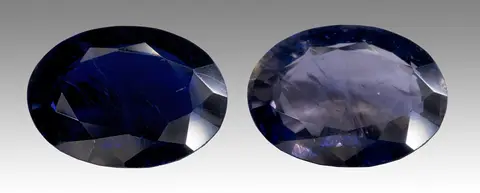
Cordierite: Cordierite pléochroïsme
Cordierite pléochroïsme. Photo: Didier Descouens, CC BY-SA 3.0, via Wikimedia Commons.
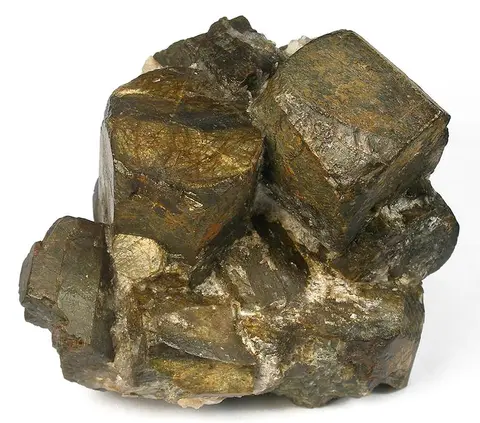
Cordierite: Cordiérite var. iolite 6
Cordiérite var. iolite 6. Photo: Parent Géry, CC BY-SA 3.0, via Wikimedia Commons.
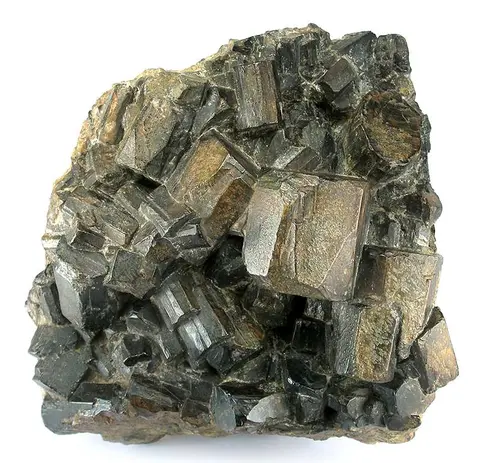
Cordierite: Cordierite-den07-06aa
Cordierite-den07-06aa. Photo: Robert M. Lavinsky, CC BY-SA 3.0, via Wikimedia Commons.
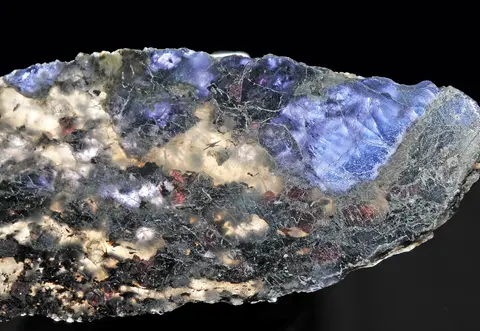
Cordierite: Cordierite-13-cordieritesm
Cordierite-13-cordieritesm. Photo: Robert M. Lavinsky, CC BY-SA 3.0, via Wikimedia Commons.

What cordierite is worth

Not enough data. We have not yet seen 5 or more current dealer listings for cordierite in any one form, so we show no range rather than guess.

These are dealer asking prices: what shops list cordierite for, not what it sells for and not an appraisal. Selling to a dealer usually brings well below retail, because the dealer has to resell it at a margin.

How to identify cordierite

  • Violet blue to blue color that changes to pale gray, yellow or near colorless when the stone is turned
  • Hardness 7 to 7.5, scratches glass
  • Light in the hand, similar to quartz (SG about 2.57 to 2.66)
  • Vitreous luster
  • Rough usually as water-worn pebbles or grains in gneiss and schist rather than sharp crystals
  • Some stones contain tiny reddish plates that sparkle (iolite sunstone)

Cordierite varieties

Iolite

Iolite is the gem trade name for transparent violet blue cordierite. Iolite is the transparent gem quality cordierite; most cordierite is an opaque rock-forming mineral.

Iolite sunstone

Iolite sunstone is iolite containing many small reddish metallic plates, usually hematite or goethite, that create a sparkle under light. It adds a red to coppery glitter from platelet inclusions to the blue body of iolite, so it is usually cut as cabochons rather than facets.

Where cordierite comes from

India
Large producer of gem iolite, including Odisha and Tamil Nadu, and source of iolite sunstone.
Sri Lanka
Iolite from gem gravels, often well colored.
Madagascar
Commercial source of gem iolite.
Tanzania
East African source of facet grade iolite.
Brazil and Myanmar
Additional gem sources.

Cordierite lookalikes

Tanzanite

Tanzanite is heavier with a higher luster and shows blue, violet and brownish or bronze pleochroic colors; iolite shifts to yellowish gray or colorless.

  • Tanzanite SG 3.35
  • RI 1.69 to 1.70
  • Hardness 6 to 7

iolite vs tanzanite

Blue sapphire

Sapphire is much heavier and harder, and its pleochroism is milder.

  • SG 4.00
  • Hardness 9
  • RI 1.762 to 1.770

Blue kyanite

Kyanite forms bladed crystals with different hardness along and across the blade and is heavier.

  • SG 3.56 to 3.67
  • Hardness 4.5 to 7

Blue spinel

Spinel shows no pleochroism and is heavier.

  • SG about 3.6
  • Singly refractive

Also mistaken for cordierite: amethyst, benitoite, grandidierite, zoisite, sapphirine.

Fake, dyed and treated cordierite

  • Blue violet glass sold as iolite

    Occasional

    • No pleochroism
    • Gas bubbles
    • Soft facet edges
  • Synthetic spinel or corundum in iolite color

    Rare

    • Much heavier
    • No strong color change with direction

Is my cordierite real? Tests you can do at home

  1. Pleochroism by eye

    Look at the stone from the top, then from the side, rotating it under a white light; a polarizing filter makes it stronger.

    Real
    Iolite shifts clearly from violet blue to yellowish gray or near colorless.
    Fake or lookalike
    Glass and spinel keep the same color; tanzanite shifts toward bronze or violet instead.
  2. Specific gravity by water displacement

    Weigh the loose stone dry and in water on a 0.01 g scale; divide dry weight by the loss.

    Real
    About 2.6.
    Fake or lookalike
    Tanzanite 3.35, sapphire 4.0, spinel 3.6.
  3. Scratch test against glass

    Press an edge of rough firmly on glass.

    Real
    Scratches glass.
    Fake or lookalike
    Sodalite and glass imitations scratch weakly or not at all.

    Can leave a small mark.

A stone that passes these tests is consistent with natural cordierite, not proven. For valuable pieces, a gem lab report settles treatment and origin.

Treatments

None routine (rare)
Iolite is almost always sold untreated. Not applicable.

What moves the price of cordierite

  1. Color. Saturated violet blue without gray ranks highest.
  2. Clarity. Eye clean stones; iolite often has inclusions and fractures.
  3. Cut orientation. Stones cut with the table showing the deepest blue are worth more.
  4. Size. Clean, well colored stones above a few carats are scarce.
  5. Optical effect. Iolite sunstone is priced on the strength of its sparkle.

Questions collectors ask about cordierite

Tanzanite vs iolite
Tanzanite is heavier (SG 3.35 against about 2.6), more lustrous and shifts between blue, violet and brownish tones. Iolite shifts from violet blue to yellowish gray or colorless and is harder and lighter in the hand.

Sources

Prices: no current dealer listings yet. How we collect prices.