

Blue topaz
Treated blue topaz is very even in color, heavier and shows no visible pleochroism.
- SG 3.5
- Hardness 8
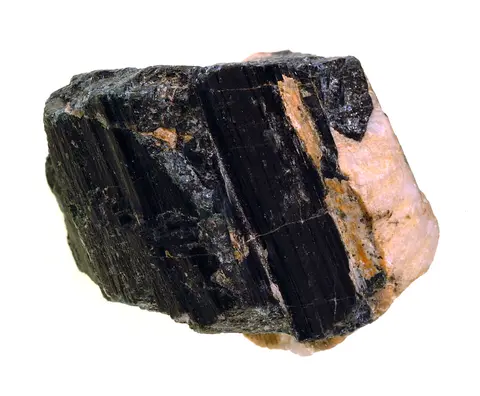
Blue tourmaline is any tourmaline in blue shades: mostly iron-colored elbaite sold as indicolite, plus copper-bearing Paraiba-type stones.
A variety of tourmaline. Prices checked .
Not enough data. We have not yet seen 5 or more current dealer listings for blue tourmaline in any one form, so we show no range rather than guess.
These are dealer asking prices: what shops list blue tourmaline for, not what it sells for and not an appraisal. Selling to a dealer usually brings well below retail, because the dealer has to resell it at a margin.
Blue is one of the scarcer elbaite colors, and the trade splits it into indicolite (iron color) and Paraiba (copper color). See tourmaline value for the species as a whole.
Treated blue topaz is very even in color, heavier and shows no visible pleochroism.
Apatite scratches with a steel knife.
Common
These are the tests for tourmaline in general; they apply to blue tourmaline too.
Press a sharp edge or crystal tip of the stone across a clean glass bottle or tile and try to cut a line.
Can leave a small mark.
Look at a crystal or cut stone from the side, then down its length or through a different direction, under daylight.
With a 10x loupe, look through the table of a cut stone at the back facet edges.
Weigh the stone dry, then weigh a cup of water on the scale, suspend the stone on a thread fully submerged without touching, and divide dry weight by the added weight.
Look along the sides of an uncut crystal and at its broken end.
A stone that passes these tests is consistent with natural blue tourmaline, not proven. For valuable pieces, a gem lab report settles treatment and origin.
Prices: no current dealer listings yet. How we collect prices.