


Iceland spar
Calcite shows a double image and breaks into rhombs, not flat flexible sheets.
- Hardness 3
- Fizzes in vinegar
Dealers list selenite specimens 10 to 20 cm (4 to 8 in) at $48 to $175; tumbled stones run about $245 to $465 per pound.
A variety of gypsum. Prices checked .
| Form and size | Typical asking price | Range chart | Median | Listings |
|---|---|---|---|---|
| Specimens (per piece) | $39 to $210 | $75 | 11 from 1 dealer | |
| 10 to 20 cm (4 to 8 in) | $48 to $175 | $95 | 6 from 1 dealer | |
| Tumbled stones (per pound) | $245 to $467 | $437 | 9 from 1 dealer | |
| Carvings and shapes (per piece) | Not enough data (1 listing, need 5) | |||
These are dealer asking prices: what shops list selenite for, not what it sells for and not an appraisal. Selling to a dealer usually brings well below retail, because the dealer has to resell it at a margin.
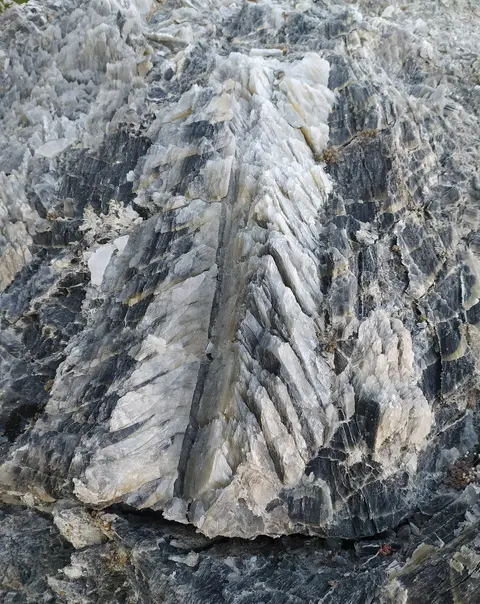
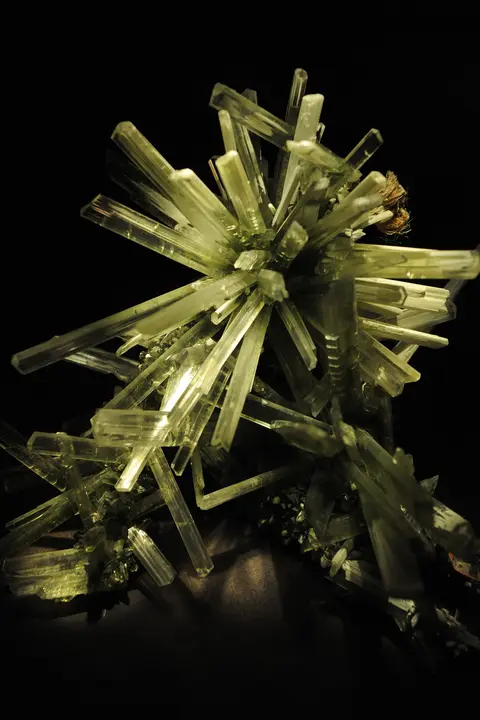
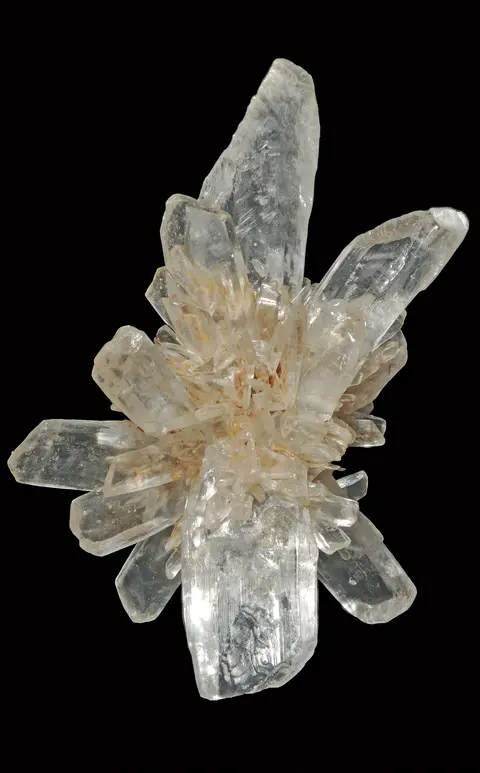
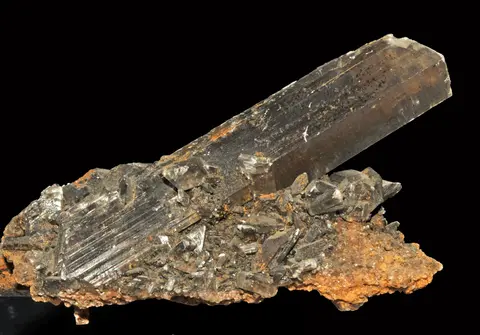
Selenite is the transparent, well crystallized form of gypsum, forming clear blades and plates that split into flat sheets.
Selenite is the clear crystalline form of gypsum; the name is widely misapplied to opaque fibrous satin spar. See gypsum value for the species as a whole.
Calcite shows a double image and breaks into rhombs, not flat flexible sheets.
Moonstone has hardness 6 and scratches glass.
Quartz scratches glass and has no cleavage.
Also mistaken for selenite: satin spar, borax, muscovite, calcite, halite, ulexite.
Very common
Rare
Scratch a hidden edge with a fingernail.
Can leave a small mark.
Look at the edge for stacked thin sheets.
A stone that passes these tests is consistent with natural selenite, not proven. For valuable pieces, a gem lab report settles treatment and origin.
Never soak or wash in water; dust with a dry brush.
Prices: 38 current listings from FossilEra, Throwin Stones, seen 2026-11-20 to 2026-11-20. How we collect prices.