RockValues

Alabaster value and identification

Alabaster is massive, fine-grained gypsum, white to translucent pale tones, used for carvings, lamps and vessels.

A variety of gypsum. Prices checked .
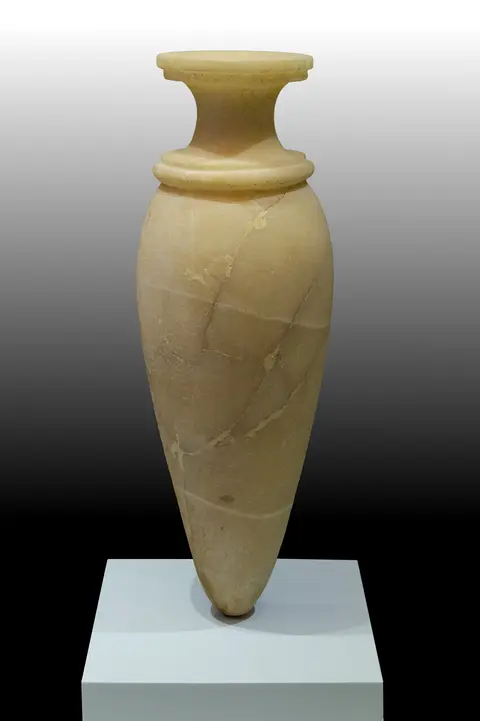
Alabaster: Alabaster flacon archmus Heraklion
Alabaster flacon archmus Heraklion. Photo: Jebulon, CC0, via Wikimedia Commons.
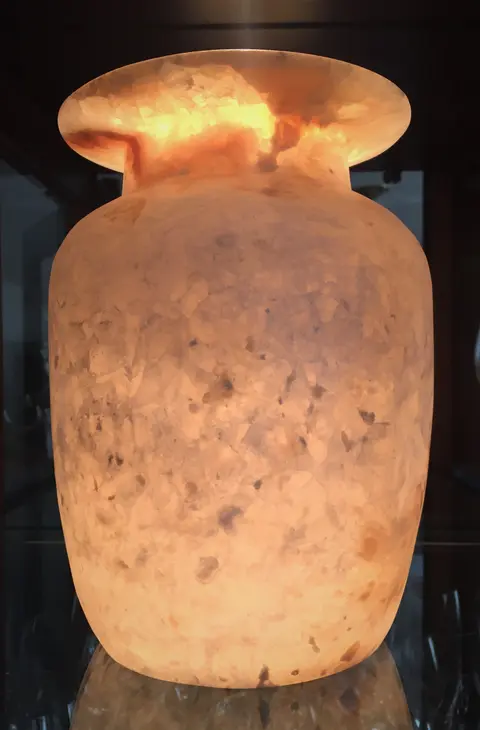
Alabaster: Alabaster vase
Alabaster vase. Photo: PLBechly, CC BY-SA 4.0, via Wikimedia Commons.
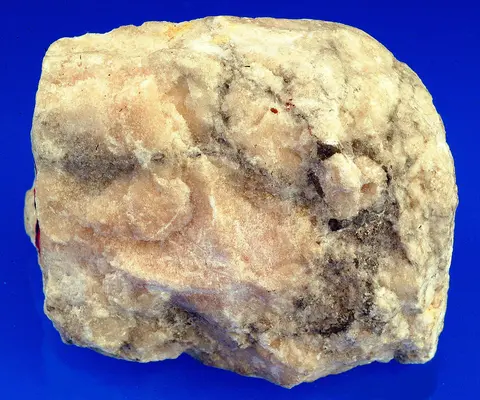
Alabaster: Alabaster (gypsum) (GeoDIL number - 629)
Alabaster (gypsum) (GeoDIL number - 629). Photo: Darla Sondrol, CC0, via Wikimedia Commons.

What alabaster is worth

Not enough data. We have not yet seen 5 or more current dealer listings for alabaster in any one form, so we show no range rather than guess.

These are dealer asking prices: what shops list alabaster for, not what it sells for and not an appraisal. Selling to a dealer usually brings well below retail, because the dealer has to resell it at a margin.

How to identify alabaster

Alabaster is gypsum without visible crystals: a compact, evenly grained stone that carves and polishes easily. See gypsum value for the species as a whole.

  • Smooth, even, fine grain with no visible crystals
  • Translucent at thin edges, glows when backlit
  • Fingernail scratches it
  • Feels warm and light
  • No fizz in vinegar

Other gypsum varieties

Where alabaster comes from

Volterra, Tuscany, Italy
The best known carving center.
Aragon, Spain
Large production of block alabaster.
Derbyshire and Nottinghamshire, England
Medieval English alabaster carvings.

Alabaster lookalikes

Marble

Marble is harder (3 to 4) and fizzes in vinegar.

  • Sugary crystalline texture
  • Cold and heavier in the hand

marble vs alabaster

Calcite onyx

Calcite resists a fingernail and bubbles in vinegar.

  • Banded translucent pattern

Fake, dyed and treated alabaster

  • Calcite sold as alabaster

    Common

    • Fizzes in vinegar
    • Not marked by fingernail
  • Resin and cast stone figurines

    Occasional

    • Mold lines
    • Uniform grain
    • Bubbles in the base

Is my alabaster real? Tests you can do at home

  1. Fingernail on the base

    Scratch the underside lightly with a fingernail.

    Real
    Leaves a mark.
    Fake or lookalike
    Calcite and marble do not mark.

    Can leave a small mark.

  2. Vinegar drop on the base

    Put a drop of vinegar on the underside and watch with a loupe; rinse after.

    Real
    No bubbles.
    Fake or lookalike
    Calcite fizzes slowly.

    Can leave a small mark.

A stone that passes these tests is consistent with natural alabaster, not proven. For valuable pieces, a gem lab report settles treatment and origin.

Treatments

Dyeing (occasional)
Adds color to decor pieces. Acetone swab on a hidden spot.
Waxing (common)
Protects and shines carvings. Waxy feel.

What moves the price of alabaster

  1. Workmanship and age. Antique and signed carvings far outweigh the stone value.
  2. Translucency. Even, glowing translucency without stains or veins.
  3. Condition. Alabaster scratches and erodes in water; damage cuts value.

Questions collectors ask about alabaster

Onyx vs alabaster: which is which?
Alabaster is gypsum, soft and inert in vinegar. Decor onyx is banded calcite that fizzes in vinegar and resists a fingernail.

Sources

Prices: no current dealer listings yet. How we collect prices.