RockValues

Cassiterite value and identification

Dealers list cassiterite specimens under 5 cm (2 in) at $41 to $65.

Prices checked . Page updated .
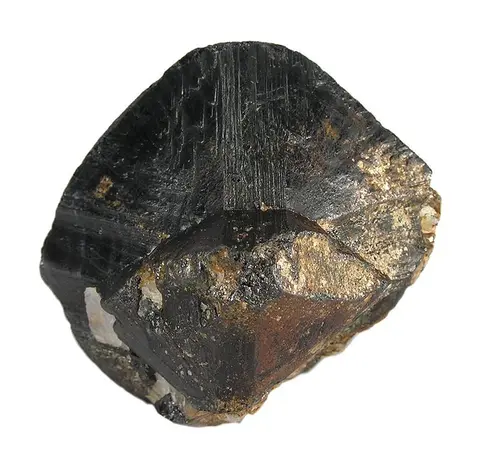
Cassiterite: Cassiterite crystal
Cassiterite crystal. Photo: Strekeisen, CC BY 4.0, via Wikimedia Commons.
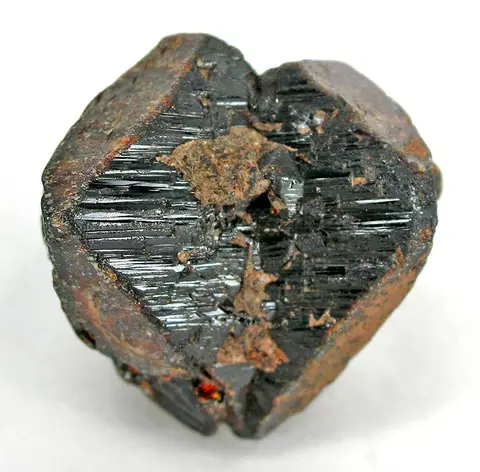
Cassiterite: Cassiterite-69388
Cassiterite-69388. Photo: Robert M. Lavinsky, CC BY-SA 3.0, via Wikimedia Commons.
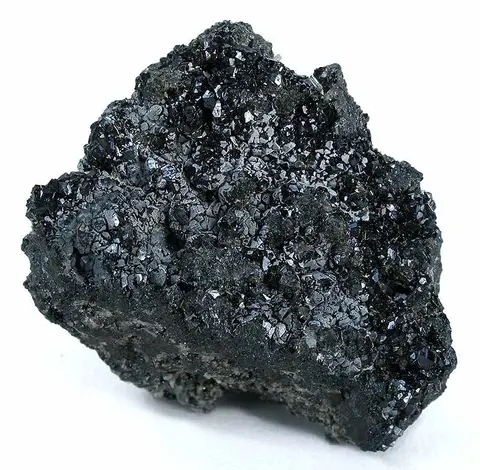
Cassiterite: Cassiterite-hc6a
Cassiterite-hc6a. Photo: Robert M. Lavinsky, CC BY-SA 3.0, via Wikimedia Commons.
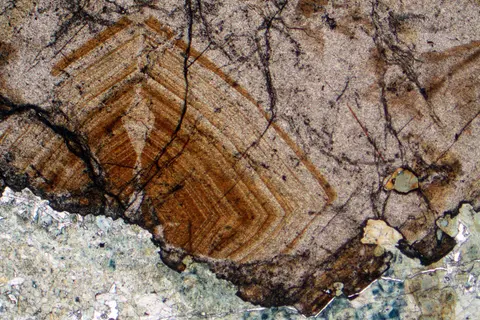
Cassiterite: Cassiterite-202131
Cassiterite-202131. Photo: Robert M. Lavinsky, CC BY-SA 3.0, via Wikimedia Commons.

What cassiterite is worth

Dealer asking prices for cassiterite, middle half of current listings, checked 2026-11-20. Bar shows the 25th to 75th percentile; the dark tick is the median.
Form and sizeTypical asking priceRange chartMedianListings
Specimens (per piece)$37 to $77$4515 from 1 dealer
under 5 cm (2 in)$41 to $65$556 from 1 dealer
Show 12 of the listings behind these numbers
Sample dealer listings for Cassiterite
ListingSizeLocalityAskingSeen
.73" Lustrous Cassiterite Crystal - Rwanda
FossilEra
Rwanda$35
.73" Lustrous Cassiterite Crystal - Rwanda
FossilEra
Rwanda$35
.68" Lustrous Cassiterite Crystal - Rwanda
FossilEra
Rwanda$35
1.00" Lustrous Cassiterite Crystal - Rwanda
FossilEra
2.5 cmRwanda$35
.9" Lustrous Cassiterite Crystal - Rwanda
FossilEra
Rwanda$39
.8" Lustrous Cassiterite Crystal - Rwanda
FossilEra
Rwanda$39
1.20" Lustrous Cassiterite Crystal - Rwanda
FossilEra
3.1 cmRwanda$39
1.3" Gemmy Cassiterite Crystals with Quartz - China
FossilEra
3.3 cmChina$45
1.5" Lustrous Cassiterite Crystals with Goshenite? - China
FossilEra
3.8 cmChina$65
1.2" Gemmy Cassiterite Crystal Cluster - Viloco Mine, Bolivia
FossilEra
3.1 cmViloco Mine, Bolivia$65
1.8" Gemmy Cassiterite Crystals with Quartz - China
FossilEra
4.6 cmChina$69
2" Gemmy Cassiterite Crystals with Quartz - China
FossilEra
5.1 cmChina$85

These are dealer asking prices: what shops list cassiterite for, not what it sells for and not an appraisal. Selling to a dealer usually brings well below retail, because the dealer has to resell it at a margin.

How to identify cassiterite

Cassiterite is tin dioxide (SnO2), the main ore of tin, forming in granite related veins and pegmatites and concentrating in river and beach placers. Dark crystals are common; transparent brown to yellow crystals are cut as rare collector gems.

  • Very heavy for a non-metallic looking mineral: SG about 7, close to iron
  • Black to dark brown with a bright adamantine to greasy, almost metallic luster
  • White to pale brown or grey streak, much lighter than the stone itself
  • Hard (6 to 7): scratches glass
  • Short square prisms and pyramids, often in knee-shaped or visor twins
  • Not magnetic
  • Fibrous, banded brown nodules are called wood tin; rounded water-worn grains are stream tin

Where cassiterite comes from

Bolivia (Llallagua, Viloco and other tin districts)
Fine lustrous crystals and twins for collectors, from historic tin mines.
Cornwall, England
Historic tin mining region with classic old specimens and wood tin.
Yunnan, China
Major tin producer; large black crystal groups reach the specimen market.
Erzgebirge, Czech Republic and Germany
Classic European tin district with sharp twinned crystals.
Rondonia and Minas Gerais, Brazil
Placer tin and some gem quality crystals.
Democratic Republic of the Congo and Rwanda
Large ore sources; tin from this region is regulated as a conflict mineral.
Malaysia and Indonesia
Major placer tin districts.

Cassiterite lookalikes

Wolframite

Wolframite has one perfect cleavage giving flat, shiny plates and a reddish brown to black streak; cassiterite streak is near white.

  • Wolframite hardness 4 to 4.5, softer
  • SG 7.0 to 7.5, similar weight

Rutile

Rutile is much lighter (SG about 4.2) and usually forms long striated needles or prisms.

  • Rutile streak pale brown
  • Same crystal system

Sphalerite

Sphalerite is softer (3.5 to 4), lighter (SG about 4) and has perfect cleavage in six directions.

  • Streak pale yellow to brown

Magnetite

Magnetite sticks to a magnet and has a black streak.

  • SG about 5.2
  • Octahedral crystals

Black tourmaline (schorl)

Schorl is far lighter (SG about 3.1) and forms long striated prisms with a rounded triangular cross section.

  • Vitreous rather than adamantine luster

Tantalite and columbite

Tantalite has a dark brown to black streak.

  • Often found in the same pegmatites
  • SG 5.2 to 8 depending on tantalum content

Also mistaken for cassiterite: anatase.

Fake, dyed and treated cassiterite

  • Wolframite, schorl or other black minerals sold as cassiterite

    Occasional

    • Wrong streak color
    • Too light in hand (schorl)
    • Perfect cleavage plates (wolframite)
  • Repaired or reassembled crystal groups

    Occasional

    • Glue lines at crystal bases
    • Crystals at odd angles to the matrix
  • Oiled specimens

    Occasional

    • Greasy surface that marks paper
    • Dust sticking to the crystals

Is my cassiterite real? Tests you can do at home

  1. Weight in hand and specific gravity

    Weigh the piece in air, then suspended in water on a kitchen scale, and divide weight in air by the weight lost in water.

    Real
    About 6.8 to 7.1, startlingly heavy for its size.
    Fake or lookalike
    Schorl about 3.1, rutile about 4.2, sphalerite about 4.
  2. Streak test

    Rub a hidden edge across an unglazed porcelain tile.

    Real
    White to pale brown or greyish streak.
    Fake or lookalike
    Wolframite and tantalite leave dark brown to black; hematite leaves red.

    Can leave a small mark.

  3. Magnet test

    Hold a strong magnet against the specimen.

    Real
    No attraction.
    Fake or lookalike
    Magnetite snaps to the magnet; some wolframite is weakly attracted.
  4. Glass scratch

    Try to scratch a glass bottle with a crystal edge.

    Real
    Scratches glass.
    Fake or lookalike
    Wolframite and sphalerite do not.

    Can leave a small mark.

A stone that passes these tests is consistent with natural cassiterite, not proven. For valuable pieces, a gem lab report settles treatment and origin.

Treatments

Oiling (occasional)
Darkens and adds luster to dull specimens; disclosed or not, collectors discount it. Greasy feel and residue.
Repair (occasional)
Broken crystals are reglued on fine specimens; lowers value. Loupe inspection of crystal bases.

What moves the price of cassiterite

  1. Crystal quality. Sharp, lustrous, undamaged crystals and well formed twins command the highest prices.
  2. Size. Large single crystals and twins are scarce.
  3. Locality. Classic Bolivian, Cornish and Erzgebirge specimens carry premiums.
  4. Transparency (gem). Transparent brown to yellow crystals that can be faceted are rare and valued for their fire.
  5. Matrix. Crystals on contrasting matrix such as quartz or muscovite add appeal.
  6. Ore versus specimen. Ore grade cassiterite sold for tin content is priced on metal markets, far below specimen material.

Sources

Prices: 16 current listings from FossilEra, seen 2026-11-20 to 2026-11-20. How we collect prices.