RockValues

Ametrine value and identification

Ametrine is quartz with both purple amethyst and yellow citrine zones in the same crystal. Natural ametrine comes mainly from the Anahi mine in Bolivia.

A variety of quartz. Prices checked .
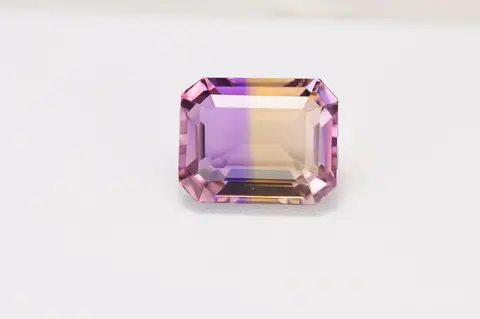
Ametrine: Bolivian ametrine
Bolivian ametrine. Photo: Gemsphoto, CC BY-SA 3.0, via Wikimedia Commons.
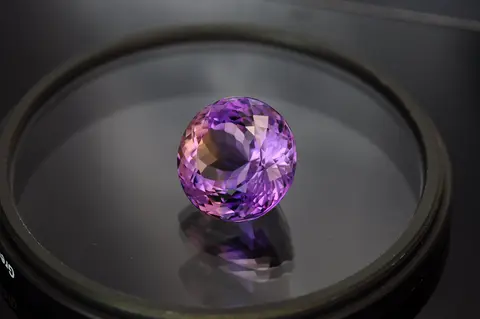
Ametrine: Natural ametrine round gemstone
Natural ametrine round gemstone. Photo: Gemsphoto, CC BY-SA 4.0, via Wikimedia Commons.
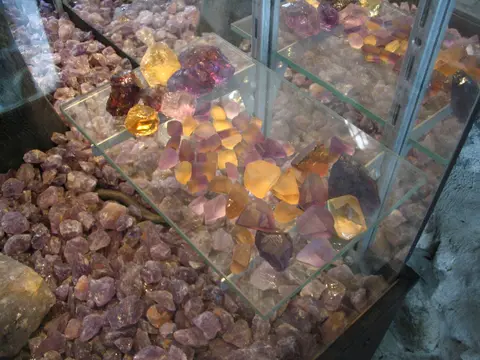
Ametrine: Ametrine bloc
Ametrine bloc. Photo: No machine-readable author provided. Anakin~commonswiki assumed (based on copyright claims)., CC BY-SA 3.0, via Wikimedia Commons.
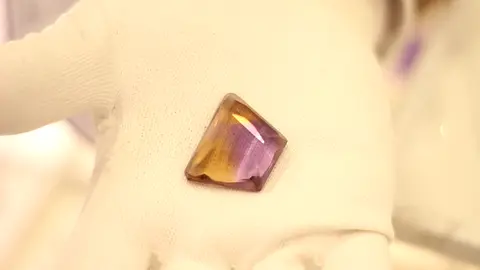
Ametrine: Ametrine In Palm
Ametrine In Palm. Photo: Steven HAuse, CC0, via Wikimedia Commons.

What ametrine is worth

Not enough data. We have not yet seen 5 or more current dealer listings for ametrine in any one form, so we show no range rather than guess.

Show 1 of the listings behind these numbers
Sample dealer listings for Ametrine
ListingSizeLocalityAskingSeen
Quartz var. Ametrine (133.76 ct)
iRocks (The Arkenstone)
133.76 ctAnahi Mine, Puerto Suárez Mun., Germán Busch Prov., Santa Cruz, Bolivia$9,500

These are dealer asking prices: what shops list ametrine for, not what it sells for and not an appraisal. Selling to a dealer usually brings well below retail, because the dealer has to resell it at a margin.

How to identify ametrine

It is a bicolor quartz in which part of the crystal grew as amethyst and part as citrine. See quartz value for the species as a whole.

  • Sharp boundary between purple and yellow to orange zones.
  • Faceted stones are usually cut long to show both colors.
  • Hardness 7; scratches glass.

Other quartz varieties

Where ametrine comes from

Anahi mine, Bolivia
The main source of natural ametrine.

Ametrine lookalikes

Bicolor tourmaline

Tourmaline is heavier (SG about 3.06) and its colors are usually pink and green.

  • RI about 1.62 to 1.64

Also mistaken for ametrine: parti sapphire.

Fake, dyed and treated ametrine

  • Synthetic ametrine

    Common

    • Perfectly even, sharp color zones
    • Flawless
    • Lab confirmation needed
  • Partly heated or irradiated amethyst

    Occasional

    • Lab needed
  • Bicolor glass

    Occasional

    • Bubbles
    • Blurry color boundary

Is my ametrine real? Tests you can do at home

  1. Loupe inspection

    Look at the color boundary and inside with a 10x loupe.

    Real
    Natural inclusions; angular color zoning.
    Fake or lookalike
    Bubbles in glass; synthetics are often flawless.
  2. Scratch test against glass

    Use rough material on glass.

    Real
    Scratches glass.
    Fake or lookalike
    Glass barely marks.

    Can leave a small mark.

A stone that passes these tests is consistent with natural ametrine, not proven. For valuable pieces, a gem lab report settles treatment and origin.

Treatments

Heating or irradiation (occasional)
Can create or enhance bicolor; treated stones are worth less. Lab.

What moves the price of ametrine

  1. Color balance. Even split between strong purple and golden yellow is ideal.
  2. Saturation. Pale colors lower value.
  3. Clarity and size. Clean larger stones are preferred.
  4. Natural origin. Bolivian natural ametrine is worth more than synthetic.

Sources

Prices: 1 current listings from iRocks (The Arkenstone), seen 2026-11-20 to 2026-11-20. How we collect prices.