RockValues

Hypersthene value and identification

Hypersthene is an old name for iron-bearing orthopyroxene, a magnesium iron silicate now classed by the IMA as enstatite (or ferrosilite when iron dominates). Collectors use it for dark brown to black pyroxene that shows a coppery or bronze schiller on cleavage faces.

Prices checked . Page updated .
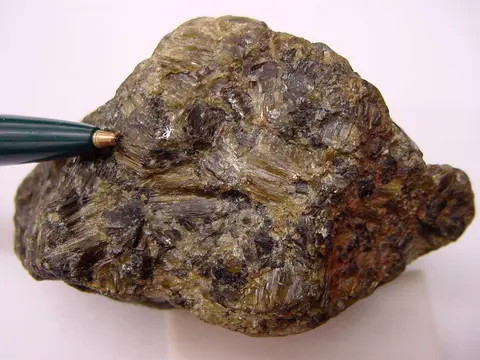
Hypersthene: Hypersthene - Enstatite-Ferrosilite-serial
Hypersthene - Enstatite-Ferrosilite-serial. Photo: Ra'ike (see also: de:Benutzer:Ra'ike ), CC BY-SA 3.0, via Wikimedia Commons.
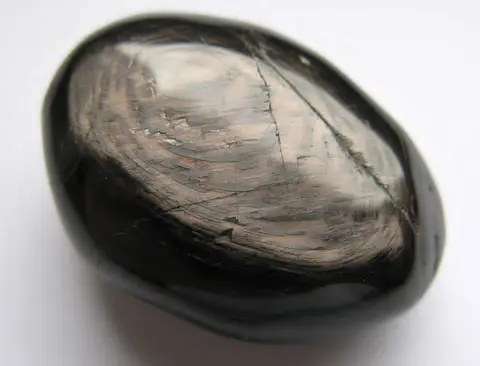
Hypersthene: Hypersthene - USGS Mineral Specimens 657
Hypersthene - USGS Mineral Specimens 657. Photo: Andrew Silver, Public domain, via Wikimedia Commons.
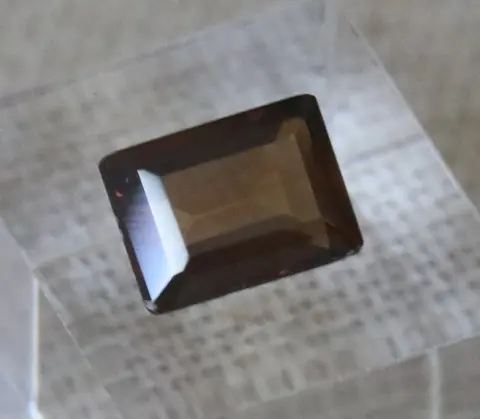
Hypersthene: Hypersthene crystal cut
Hypersthene crystal cut. Photo: Geni, CC BY-SA 4.0, via Wikimedia Commons.
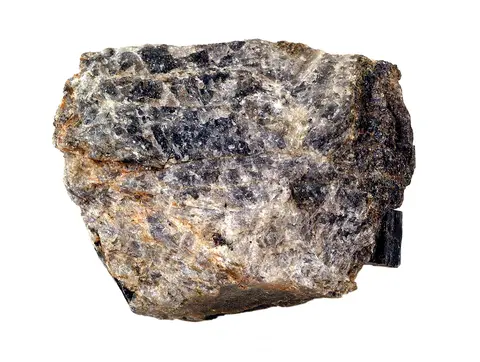
Hypersthene: Hypersthene with labradorite (GeoDIL number - 1624)
Hypersthene with labradorite (GeoDIL number - 1624). Photo: Shannon Heinle, CC0, via Wikimedia Commons.

What hypersthene is worth

Not enough data. We have not yet seen 5 or more current dealer listings for hypersthene in any one form, so we show no range rather than guess.

Show 1 of the listings behind these numbers
Sample dealer listings for Hypersthene
ListingSizeLocalityAskingSeen
1.7" Polished Chatoyant Hypersthene Pendant
FossilEra
4.3 cm$19

These are dealer asking prices: what shops list hypersthene for, not what it sells for and not an appraisal. Selling to a dealer usually brings well below retail, because the dealer has to resell it at a margin.

How to identify hypersthene

  • Dark brown, greenish black or black stone that flashes a coppery, bronze or silvery sheen when turned.
  • Two cleavages meeting at close to right angles, giving blocky, stepped broken faces.
  • Hardness 5 to 6, about the same as window glass.
  • Heavier than quartz in the hand (SG about 3.4 to 3.9 depending on iron).
  • Usually found as grains or masses in dark igneous rocks such as norite and anorthosite, often next to labradorite.
  • Pearly to submetallic luster on cleavage faces, vitreous elsewhere.

Where hypersthene comes from

Nain and Paul Island, Labrador, Canada
Schiller orthopyroxene occurs with labradorite in the Nain anorthosites; classic source of 'hypersthene' specimens.
Norite and anorthosite bodies worldwide
Common rock forming pyroxene; most material on the tumbled stone market is unattributed.

Hypersthene lookalikes

Bronzite

Bronzite is a lower iron orthopyroxene with a warmer brown body and golden bronze sheen; the two grade into each other.

  • Similar hardness and cleavage
  • Bronzite SG on the lower side, about 3.2 to 3.4

Labradorite

Labradorite flashes blue, green and gold from internal lamellae; hypersthene shows a single coppery sheen.

  • Labradorite SG about 2.7, lighter in hand

Nuummite

Nuummite is an amphibole rock with gold and blue flecks in a black body and comes from Greenland.

  • Fibrous amphibole texture under a loupe

Astrophyllite

Astrophyllite forms golden bladed starbursts, not blocky schiller grains.

  • Astrophyllite hardness about 3

Hematite

Hematite leaves a red brown streak and is much heavier (SG about 5.3).

  • Metallic luster all over

Also mistaken for hypersthene: biotite, enstatite.

Fake, dyed and treated hypersthene

  • Bronzite or other schiller rock sold as hypersthene

    Common

    • Seller uses the names interchangeably
    • Sheen golden rather than copper
    • Both are orthopyroxene, so this is a naming issue more than a fake
  • Black gabbro or norite tumbles labeled hypersthene

    Occasional

    • Only scattered sparkle from small grains
    • White feldspar specks through the stone

Is my hypersthene real? Tests you can do at home

  1. Tilt for schiller

    Turn the stone under a single light.

    Real
    Broad copper to bronze flash from flat cleavage planes.
    Fake or lookalike
    Gabbro shows only pinpoint glints.
  2. Streak test

    Rub an unpolished corner on the back of a ceramic tile.

    Real
    Grayish to brownish white streak.
    Fake or lookalike
    Hematite gives red brown streak.

    Can leave a small mark.

  3. Hardness against glass

    Try to scratch a glass bottle with a sharp edge.

    Real
    Scratches glass faintly or not at all (5 to 6).
    Fake or lookalike
    Quartz based lookalikes scratch glass easily.

    Can leave a small mark.

  4. Weight in hand

    Compare with a quartz tumble of similar size.

    Real
    Noticeably heavier.
    Fake or lookalike
    Labradorite and quartz feel lighter.

A stone that passes these tests is consistent with natural hypersthene, not proven. For valuable pieces, a gem lab report settles treatment and origin.

Treatments

None routine (rare)
Sold as natural polished stone. Not usually a concern.

What moves the price of hypersthene

  1. Schiller. Strong, even sheen across the face matters most.
  2. Solidity. Pieces that do not split along cleavage are preferred.
  3. Size and polish. Larger, well finished spheres and palm stones rank above tumbles.
  4. Provenance. Labeled Labrador specimens draw collector interest; tumbles are sold mostly on metaphysical demand.

Care and safety

Two directions of cleavage make it prone to chipping; avoid knocks.

Sources

Prices: 1 current listings from FossilEra, seen 2026-11-20 to 2026-11-20. How we collect prices.