RockValues

Andesine value and identification

Andesine is a plagioclase feldspar with about 30 to 50 percent calcium end member. Most red and green gem andesine sold since the early 2000s has proved to be pale feldspar colored by copper diffusion.

A variety of feldspar. Prices checked .
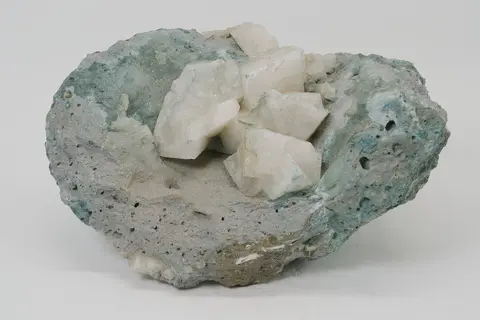
Andesine: Andesin
Andesin. Photo: Slashme, CC BY 4.0, via Wikimedia Commons.
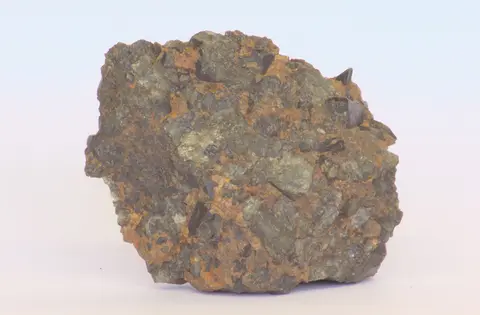
Andesine: Chabasit Delessit Andesinbalst 17562 1
Chabasit Delessit Andesinbalst 17562 1. Photo: Strubbl, CC BY-SA 4.0, via Wikimedia Commons.

What andesine is worth

Not enough data. We have not yet seen 5 or more current dealer listings for andesine in any one form, so we show no range rather than guess.

These are dealer asking prices: what shops list andesine for, not what it sells for and not an appraisal. Selling to a dealer usually brings well below retail, because the dealer has to resell it at a margin.

How to identify andesine

Andesine is a specific plagioclase composition between oligoclase and labradorite; as a gem name it is tied to the diffusion treatment controversy. See feldspar value for the species as a whole.

  • Transparent red, orange, yellow or green faceted stones
  • Often very clean, without the copper platelets of Oregon sunstone
  • Hardness 6 to 6.5, plagioclase cleavage

Other feldspar varieties

Where andesine comes from

Mongolia
Source of pale yellow plagioclase used as starting material for diffusion.
Tibet and Democratic Republic of Congo
Claimed sources of natural red andesine; field studies found most such material on the market is treated.

Andesine lookalikes

Oregon sunstone

Natural Oregon sunstone usually shows copper platelets; diffused andesine often does not.

  • Similar RI and SG
  • Lab testing needed

Garnet

Garnet is singly refractive and heavier.

  • Garnet SG 3.5 to 4.3

Fake, dyed and treated andesine

  • Copper-diffused andesine sold as natural

    Very common

    • Vivid red at low cost
    • Color concentration near surface or along fractures
    • Lab reports show diffusion

Is my andesine real? Tests you can do at home

  1. Loupe for color zoning

    Look through the stone with a 10x loupe against a white background.

    Real
    Natural color is more evenly distributed or tied to copper plates.
    Fake or lookalike
    Diffused stones may show color concentrated near the surface or in cracks.
  2. Scratch test against glass

    Try an unpolished edge on a glass tile.

    Real
    Scratches glass with effort.
    Fake or lookalike
    Glass imitations do not.

    Can leave a small mark.

A stone that passes these tests is consistent with natural andesine, not proven. For valuable pieces, a gem lab report settles treatment and origin.

Treatments

Copper diffusion (almost always)
Creates red and green color; disclosed stones sell for a fraction of natural colored feldspar. Gem lab analysis.

What moves the price of andesine

  1. Treatment status. Proven untreated red feldspar is far more valuable than diffused andesine.
  2. Color. Saturated red ranks above pale.
  3. Clarity and size. Clean stones over a few carats.

Sources

Prices: no current dealer listings yet. How we collect prices.