


Copal
Acetone makes copal tacky; Baltic amber stays hard.
- Both float in salt water
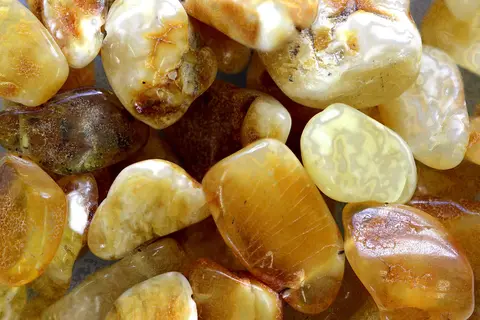
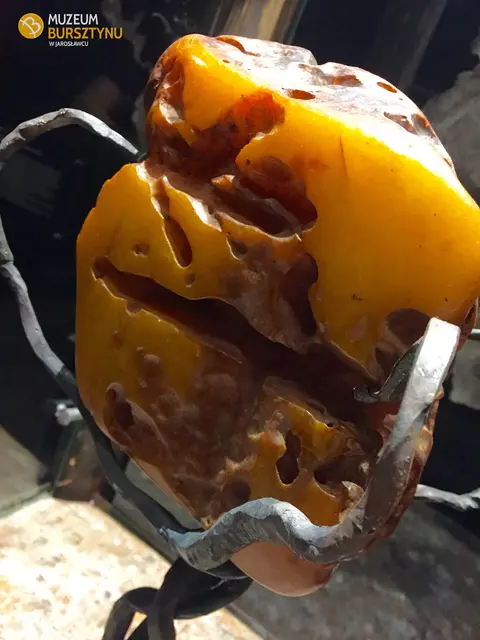
Baltic amber is Eocene resin found along the Baltic Sea coast, chiefly in Kaliningrad, Poland and Lithuania, and is the main source of amber jewelry worldwide.
A variety of amber. Prices checked .
Not enough data. We have not yet seen 5 or more current dealer listings for baltic amber in any one form, so we show no range rather than guess.
| Listing | Size | Locality | Asking | Seen |
|---|---|---|---|---|
| Authentic Baltic Amber With Fossil Insect - 44 Million Years Old FossilEra | $15 | |||
| Detailed Plant Fossil in Baltic Amber FossilEra | $35 | |||
| Fossil Ant-Like Stone Beetle (Scydmaeninae) in Baltic Amber FossilEra | $39 | |||
| Fossil Beetle Larva (Coleoptera) in Baltic Amber FossilEra | $45 | |||
| Detailed Fossil Parasitoid Wasp (Scelionidae) in Baltic Amber FossilEra | $45 | |||
| Detailed Fossil Barklouse (Psocodea) In Baltic Amber FossilEra | $49 | |||
| Detailed Fossil Leafhopper (Cicadellidae) In Baltic Amber FossilEra | $55 | |||
| Detailed Fossil Barklouse (Psocodea) Nymph In Baltic Amber FossilEra | $55 | |||
| Fossil Fungus Beetle (Corticariinae) and True Midge in Baltic Amber FossilEra | $55 | |||
| Fossil Beetle (Ptinidae) in Baltic Amber FossilEra | $55 | |||
| Detailed Hairy Fungus Beetle (Mycetophagidae) in Baltic Amber FossilEra | $55 | |||
| Detailed Fossil False Flower Beetle (Scraptiidae) in Baltic Amber FossilEra | $55 |
These are dealer asking prices: what shops list baltic amber for, not what it sells for and not an appraisal. Selling to a dealer usually brings well below retail, because the dealer has to resell it at a margin.
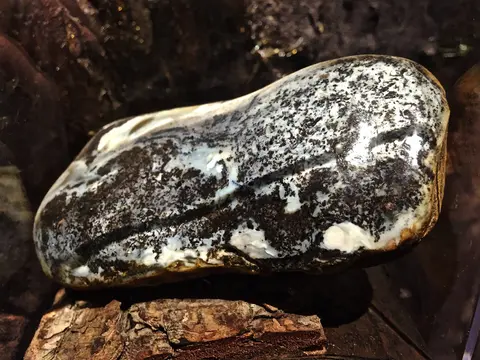
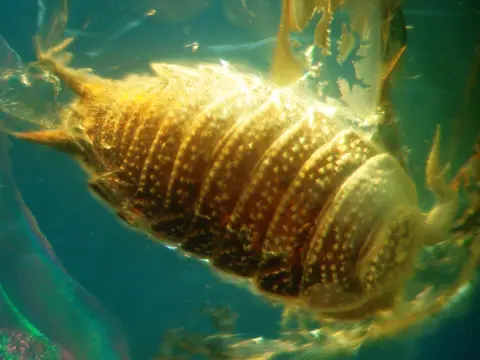
It is the classic amber type (succinite), notable for its succinic acid content, its range from clear to opaque bone white, and characteristic plant inclusions such as tiny star-shaped oak hairs. See amber value for the species as a whole.
Acetone makes copal tacky; Baltic amber stays hard.
Also mistaken for baltic amber: blue amber.
Common
Common
These are the tests for amber in general; they apply to baltic amber too.
Stir salt into a glass of warm water until no more dissolves, let it cool, then drop the piece in (remove metal fittings first).
Put one drop of acetone or nail polish remover on a hidden spot, wait about 20 seconds, then touch it.
Can leave a small mark.
In a dark room, shine a 365 nm UV torch on the piece.
Rub the piece briskly on wool or a cotton shirt for 30 seconds and hold it over tiny bits of tissue paper.
Heat a needle tip and touch it to a hidden spot, holding the piece away from your face in a ventilated room.
Damages the stone: test only an inconspicuous spot or a piece you do not mind marking.
A stone that passes these tests is consistent with natural baltic amber, not proven. For valuable pieces, a gem lab report settles treatment and origin.
Prices: 17 current listings from FossilEra, seen 2026-11-20 to 2026-11-20. How we collect prices.