Euclase is a beryllium aluminum silicate hydroxide that forms in pegmatites and alpine veins, often from the breakdown of beryl. It is a collector gem prized for blue and blue-green crystals, but its perfect cleavage makes it hard to cut.
These are dealer asking prices: what shops list euclase for, not what it sells for and not an appraisal. Selling to a dealer usually brings well below retail, because the dealer has to resell it at a margin.
How to identify euclase
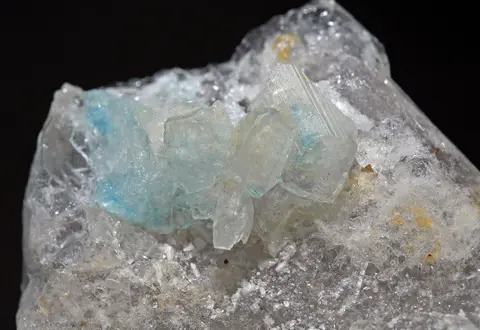
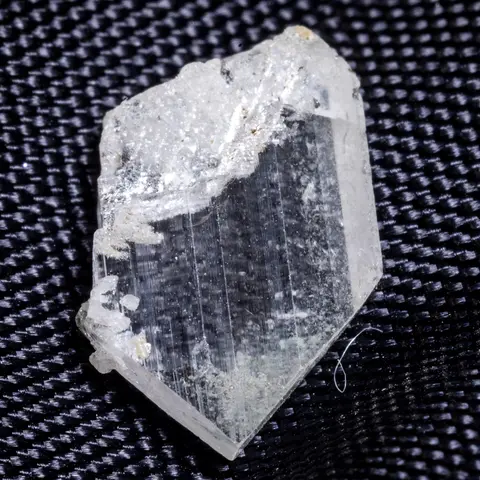
Prismatic crystals with many faces, often striated lengthwise
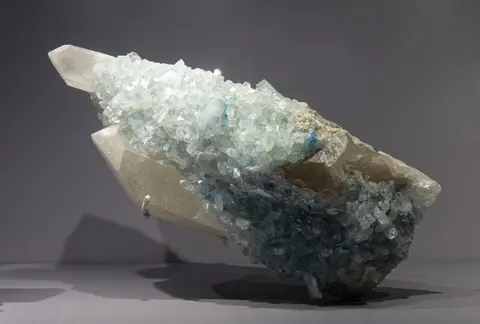
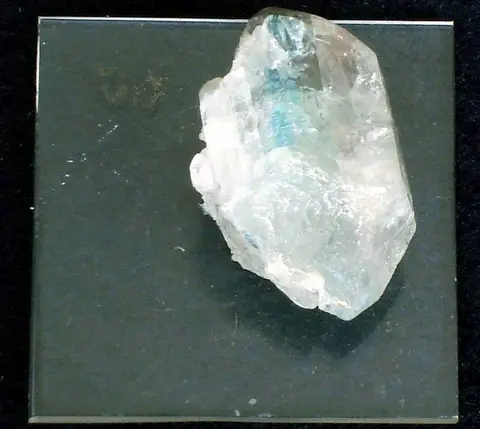
Colorless, pale to deep blue, greenish blue or pale green
One perfect cleavage that shows as flat, pearly cracks or as clean breaks
Glassy luster, somewhat pearly on cleavage surfaces
Hard: scratches glass easily (7.5)
Blue color can be zoned or patchy, and some Zimbabwe crystals show deep blue stripes
Where euclase comes from
Minas Gerais, Brazil
Main source of gem crystals, around Ouro Preto and other pegmatite districts; colorless to blue-green material.
Karoi, Miami district, Zimbabwe
Known for deep blue, color-zoned crystals and some intense blue cut stones.
Colombia
Blue to blue-green crystals occur with emerald in some Colombian emerald mines.
Sanarka River, Southern Urals, Russia
Historic source of fine crystals in alluvial gold workings.