RockValues

Iron rose value and identification

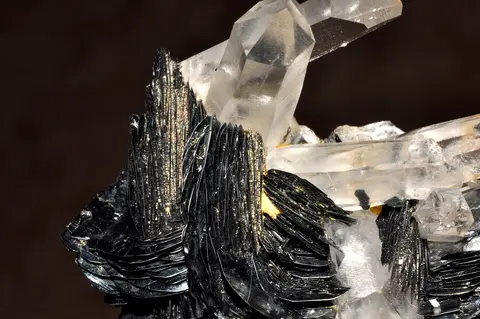
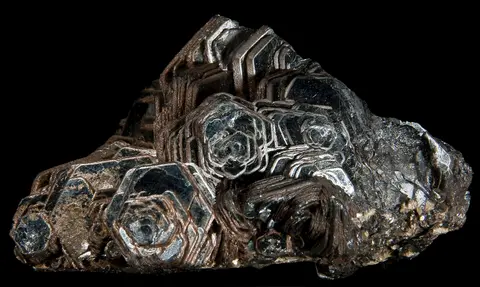
Rosette-shaped aggregates of thin, tabular hematite crystals arranged like flower petals.

A variety of hematite. Prices checked .
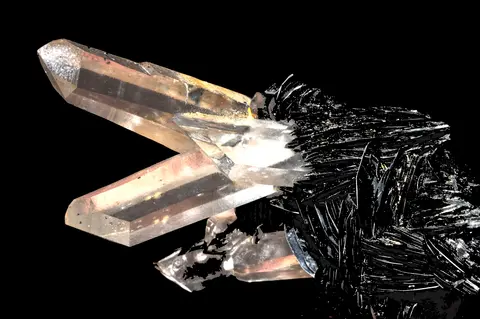
Iron rose: Hématite et quartz1 (Chine)
Hématite et quartz1 (Chine). Photo: Parent Géry, Public domain, via Wikimedia Commons.
Iron rose: Hématite et quartz2 (Chine)
Hématite et quartz2 (Chine). Photo: Parent Géry, Public domain, via Wikimedia Commons.
Iron rose: Hématite et quartz3 (Chine)
Hématite et quartz3 (Chine). Photo: Parent Géry, Public domain, via Wikimedia Commons.
Iron rose: Hématite Rose de Fer
Hématite Rose de Fer. Photo: Didier Descouens, CC BY-SA 4.0, via Wikimedia Commons.

What iron rose is worth

Not enough data. We have not yet seen 5 or more current dealer listings for iron rose in any one form, so we show no range rather than guess.

These are dealer asking prices: what shops list iron rose for, not what it sells for and not an appraisal. Selling to a dealer usually brings well below retail, because the dealer has to resell it at a margin.

How to identify iron rose

Same mineral as massive hematite, but formed as free-growing plates in open cavities, usually in Alpine-type clefts; valued purely as a specimen form. See hematite value for the species as a whole.

  • Overlapping thin metallic gray plates radiating from a center like a rose.
  • Mirror-like luster on plate faces, sometimes with an iridescent tarnish.
  • Red streak on unglazed porcelain from a broken edge.
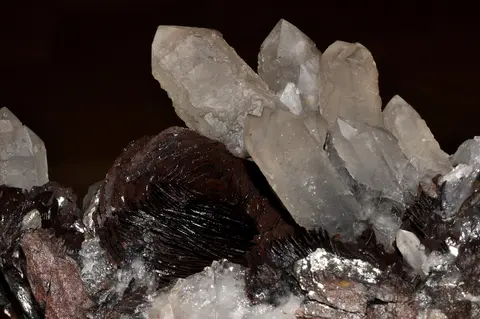
  • Often perched on quartz or adularia, sometimes with red rutile crystals growing on the plates.

Other hematite varieties

Where iron rose comes from

Gotthard region, Switzerland
The classic iron roses from Alpine clefts, often with rutile overgrowths.
Minas Gerais and Bahia, Brazil
Larger rosettes, sometimes with rutile needles.
Tyrol, Austria
Alpine cleft specimens.

Iron rose lookalikes

Barite rose

Barite roses are sandy, brown and much lighter, with no metallic luster.

  • Barite SG 4.5
  • White streak

Gypsum desert rose

Gypsum roses are soft, sandy tan and light; a fingernail scratches gypsum.

  • Gypsum hardness 2
  • SG 2.3

Graphite or molybdenite rosettes

These are soft enough to mark paper and feel greasy; hematite is hard and streaks red.

  • Molybdenite streak bluish gray
  • Graphite streak black

Fake, dyed and treated iron rose

  • Repaired or reattached plates

    Occasional

    • Glue lines at plate bases under a loupe
    • Plates that do not match neighbors in luster

Is my iron rose real? Tests you can do at home

  1. Streak from a broken edge

    Rub a broken fragment or the specimen base on unglazed porcelain.

    Real
    Red to red-brown streak.
    Fake or lookalike
    Graphite and molybdenite streak black or gray.

    Can leave a small mark.

  2. Loupe on attachment points

    Inspect the base of each plate and the contact with matrix.

    Real
    Plates grow out of the matrix with no visible adhesive.
    Fake or lookalike
    Glue shine or filler at contacts.

A stone that passes these tests is consistent with natural iron rose, not proven. For valuable pieces, a gem lab report settles treatment and origin.

Treatments

Repair (occasional)
Reattached plates lower value and should be disclosed. Loupe or UV light can show glue.

What moves the price of iron rose

  1. Sharpness and completeness. Undamaged rosettes with crisp plate edges are prized.
  2. Associations. Rutile overgrowths and attractive quartz matrix raise value.
  3. Locality. Swiss Alpine specimens carry a premium.
  4. Size. Large well-formed roses are scarce.

Sources

Prices: no current dealer listings yet. How we collect prices.