RockValues

Creedite value and identification

Dealers list creedite specimens at $43 to $165.

Prices checked . Page updated .
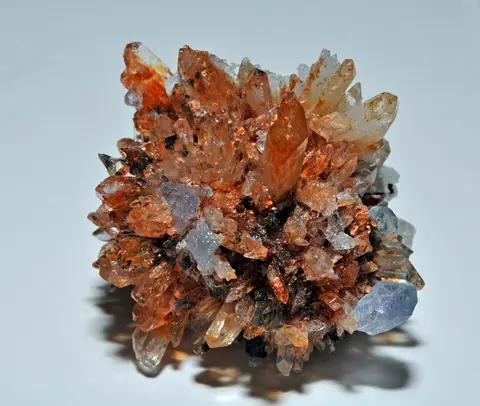
Creedite: Creedite, fluorite, hématite
Creedite, fluorite, hématite. Photo: Parent Géry, CC BY-SA 3.0, via Wikimedia Commons.
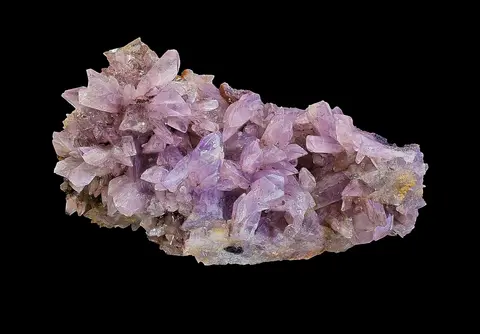
Creedite: Creedite-48308
Creedite-48308. Photo: Robert M. Lavinsky, CC BY-SA 3.0, via Wikimedia Commons.
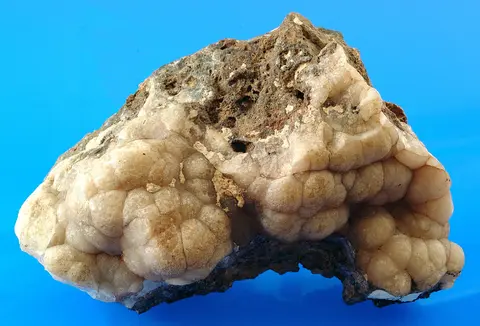
Creedite: Creedite 3 photo
Creedite 3 photo. Photo: Didier Desouens, CC BY-SA 3.0, via Wikimedia Commons.
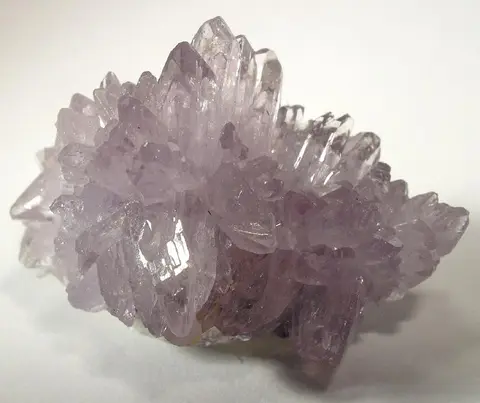
Creedite: Creedite (GeoDIL number - 184)
Creedite (GeoDIL number - 184). Photo: Shannon Heinle, CC0, via Wikimedia Commons.

What creedite is worth

Dealer asking prices for creedite, middle half of current listings, checked 2026-11-20. Bar shows the 25th to 75th percentile; the dark tick is the median.
Form and sizeTypical asking priceRange chartMedianListings
Specimens (per piece)$43 to $163$1106 from 2 dealers
Show 6 of the listings behind these numbers
Sample dealer listings for Creedite
ListingSizeLocalityAskingSeen
1.4" Orange Creedite Crystal Cluster - Durango, Mexico
FossilEra
3.6 cmDurango, Mexico$17
Creedite #SW68260
Dakota Matrix Minerals
4 cmnear Mina, Mineral Co., Nevada, United States$25
2.95" Orange Creedite Crystal Cluster on Matrix - Durango, Mexico
FossilEra
7.5 cmDurango, Mexico$95
Carlhintzeite with Creedite #68607
Dakota Matrix Minerals
3.5 cmQinglong mine, Qianxinan, Guizhou, China$125
Carlhintzeite with Creedite #67310
Dakota Matrix Minerals
6.5 cmQinglong mine, Qianxinan, Guizhou, China$175
Carlhintzeite with Creedite #67313
Dakota Matrix Minerals
6.5 cmQinglong mine, Qianxinan, Guizhou, China$175

These are dealer asking prices: what shops list creedite for, not what it sells for and not an appraisal. Selling to a dealer usually brings well below retail, because the dealer has to resell it at a margin.

How to identify creedite

Creedite is a hydrated calcium aluminum sulfate fluoride that forms radiating sprays and balls of prismatic crystals. It is named for Creede, Colorado, and the bright orange and purple specimens on the market come mostly from Mexico and Kazakhstan.

  • Radiating sprays and spherical sea urchin clusters of slender prismatic crystals.
  • Colorless, white, purple to violet, or orange (orange from iron oxide inclusions and coatings).
  • Hardness 3.5 to 4: steel scratches it and it cannot scratch glass.
  • Vitreous luster; individual crystals are transparent to translucent.
  • Does not fizz in vinegar, unlike aragonite and calcite sprays.
  • Often associated with fluorite, quartz and other fluoride minerals.

Where creedite comes from

Wagon Wheel Gap, near Creede, Colorado, USA
Type locality in a fluorite mine; the mineral was described in 1916 and named for Creede.
Santa Eulalia, Chihuahua, Mexico
Produced well crystallized white to purple creedite.
Navidad mine, Durango, Mexico
Source of the bright orange creedite balls widely sold to collectors.
Akchatau, Kazakhstan
Known for purple creedite sprays.

Creedite lookalikes

Sputnik aragonite

Aragonite fizzes in vinegar; creedite does not.

  • Aragonite hardness 3.5 to 4, similar
  • Brown to tan colors are typical of Moroccan sputniks

Aragonite star cluster

Aragonite clusters are hexagonal twinned prisms that fizz in vinegar.

  • SG about 2.95
  • Usually orange-brown, from Morocco and Spain

Okenite

Okenite forms soft, hair-like white puffballs, not glassy prisms.

  • Found in Indian basalt cavities
  • Fibers are flexible

Quartz sprays

Quartz scratches glass easily (hardness 7) and has hexagonal pointed terminations.

  • SG 2.65
  • Glassy conchoidal fracture

Natrolite

Natrolite forms thin needles in basalt cavities rather than stubby orange or purple prisms with fluorite.

  • Hardness 5 to 5.5
  • SG about 2.25

Fake, dyed and treated creedite

  • Glued or reassembled clusters

    Occasional

    • Glue at the base of balls or between sprays
    • Bright glow of adhesive under UV
    • Clusters that sit on unrelated matrix
  • Dyed creedite or other sprays

    Rare

    • Unnatural pink, blue or green colors
    • Color concentrated at contacts and crevices

Is my creedite real? Tests you can do at home

  1. Vinegar fizz test

    Put a drop of white vinegar on a hidden spot, watch for a minute with a loupe, then rinse.

    Real
    No bubbles.
    Fake or lookalike
    Aragonite and calcite produce bubbles.
  2. Scratch test on glass

    Drag a crystal tip on a broken fragment across glass.

    Real
    Cannot scratch glass.
    Fake or lookalike
    Quartz scratches glass easily.

    Can leave a small mark.

  3. UV glue check

    Shine a longwave UV flashlight on the base of the clusters in the dark.

    Real
    No bright line at contacts.
    Fake or lookalike
    Many glues glow at repair joins.

A stone that passes these tests is consistent with natural creedite, not proven. For valuable pieces, a gem lab report settles treatment and origin.

Treatments

Cleaning (common)
Removal of clay and loose oxides; accepted practice. Not usually detectable.
Repair (occasional)
Glued sprays lower value if not disclosed. Glue lines and UV fluorescence of adhesive.

What moves the price of creedite

  1. Color. Saturated orange or deep purple specimens sell above white or colorless ones.
  2. Form. Complete, symmetrical balls and well spread sprays are preferred over broken fragments.
  3. Crystal size and luster. Longer, glassy, transparent crystals add value.
  4. Locality. Type locality material from Colorado and older Santa Eulalia pieces carry a collector premium.
  5. Damage and repair. Crystal tips break easily; damaged or glued specimens are worth less.
  6. Associations. Creedite with fluorite or quartz on matrix makes a stronger display piece.

Care and safety

Crystals are thin and fragile; handle by the matrix, keep in a padded box and clean only with a soft brush or air bulb.

Sources

Prices: 6 current listings from Dakota Matrix Minerals, FossilEra, seen 2026-11-20 to 2026-11-20. How we collect prices.